COMPARE YOUR OPTIONS · GRANITE CITY
Silverado EV and Tesla Cybertruck shopping needs more than a table of the largest range and towing figures. Those numbers can come from different batteries, trims and test conditions. Start with a specific truck on each side, then evaluate cargo access, passenger needs, charging and the trips you plan to make.
Explore Silverado EV inventory at Weber Chevrolet Granite City. This guide uses the current manufacturer information to frame a vehicle-specific comparison; it does not assign one Silverado EV or Cybertruck configuration’s specifications to another. Confirm year, battery, wheels, equipment and software-dependent features before deciding.
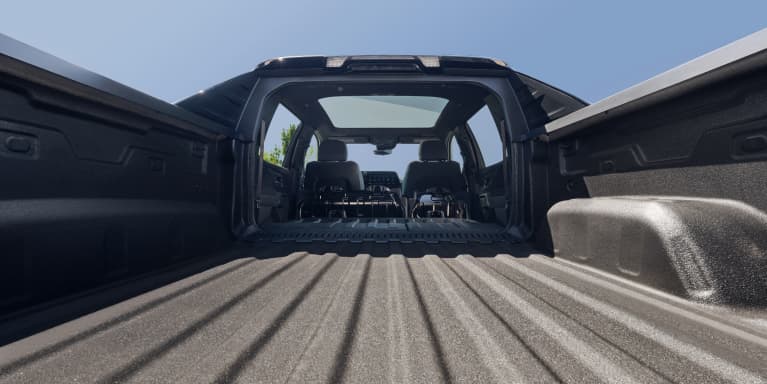
Chevrolet’s 2027 Silverado EV information describes the Multi-Flex Midgate and Tailgate cargo configuration. Tesla’s Cybertruck owner’s manual describes its cargo bed and vehicle-specific operating requirements. Investigate the actual features installed on each truck rather than assuming a photo represents your chosen configuration.
If long-item cargo is important, ask for a parked demonstration and measure the usable load path. Note which seat positions or cabin boundaries change when a cargo extension is used. Consider how you would carry passengers on the same trip, and follow the manual for securing and protecting the load.
On a smaller screen, scroll across the table to compare all columns.
| Task | What to verify |
|---|---|
| Long building materials | Permitted loading arrangement, tie-downs and passenger space. |
| Secured small items | Available enclosed storage and practical access. |
| Trailer trip | Truck-specific limits plus charging stops suitable for a trailer. |
| Daily home charging | Connector, equipment and an installation plan for your property. |
A charger’s advertised maximum power is not a promise of the rate your truck will sustain. Check the exact vehicle’s charging capability, connector and any approved adapter needed for the station. Battery temperature, starting charge level, station limits and other conditions affect charging. Compare the time needed for the portion of your journey you actually plan to replenish.
Map a representative St. Louis-area commute and a longer trip. Look for compatible stations, alternatives if a stop is unavailable, and access when towing. At home, get a qualified electrical assessment for the equipment and circuit you intend to use. Include installation cost in the ownership plan; the presence of an outlet is not enough to confirm suitability.
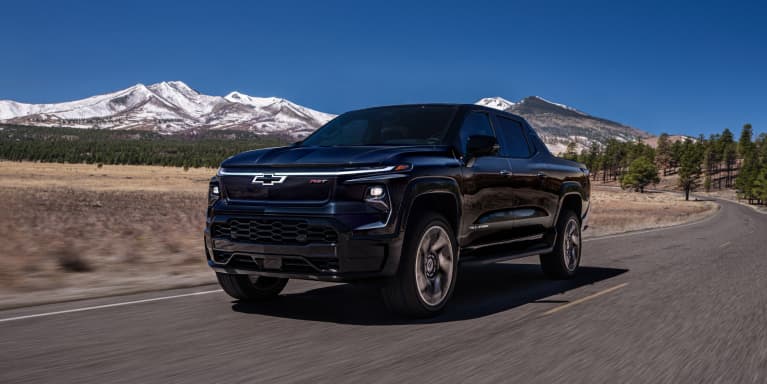
Record the exact trim, battery and wheel configuration beside a range estimate, and identify whether it is EPA-rated or manufacturer-estimated. Do not combine one version’s longest range with another version’s highest towing figure as if a single truck automatically delivers both.
Tesla’s towing guidance states that towing affects energy use and range. Plan both trucks around the actual loaded trailer, weather, route and charging access. Verify vehicle, payload, hitch and combined-weight limits as applicable. People, equipment and trailer tongue load use available capacity. Camera views or trailer assistance do not raise those limits.
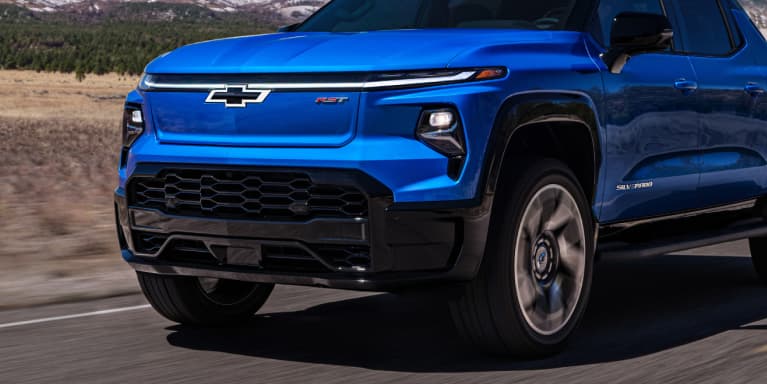
Sit in the truck you intend to buy and test ordinary tasks while parked: navigation entry, climate adjustment, storage access and phone connection. Ask how features are activated and which require a subscription, compatible equipment or a particular software version. Driver-assistance systems require the attention and supervision specified by their manufacturer.
Discuss where service and repairs would be handled, what routine maintenance applies and how roadside support works for the specific vehicle. For a used electric truck, request available service history, warranty-start information and relevant inspection results. A dashboard range estimate alone does not establish battery condition or remaining warranty coverage.
Get itemized offers for the exact trucks. Separate selling price, required fees, optional products, accessories and any charging installation expense. Compare finance terms with the same down payment and term. Ask for insurance estimates before settling on the budget.
Our EV research hub can help organize Chevrolet charging and ownership questions. If another electric pickup is on the shortlist, Silverado EV versus Rivian R1T addresses its distinct cargo layout, and Silverado EV versus F-150 Lightning explains the model-year and availability considerations for that comparison.
Do not assume so. Range and trailering figures depend on configuration. Verify the same exact truck’s battery, equipment and ratings rather than combining maxima from different versions.
No. Compare the charging session you need, including starting charge, vehicle limits, battery conditions and the station. Peak power alone does not establish the whole session time.
Verify the vehicle connector, station compatibility and any manufacturer-approved adapter. Network access and the equipment needed can vary by vehicle and station.
Send the listing, your daily miles, home-charging situation, typical cargo and loaded trailer information if relevant. That helps our team focus on the actual Chevrolet configuration and ownership plan.
Share the Silverado EV and Cybertruck configurations you are comparing, along with your cargo, towing and charging needs. Our Granite City team can help explain the Chevrolet equipment and prepare a focused vehicle inspection. Confirm inventory and appointment availability before your visit.