COMPARE YOUR OPTIONS · GRANITE CITY
Silverado EV and Rivian R1T offer different approaches to storing equipment and carrying people. Begin with what you actually transport: long materials, outdoor gear, work tools or travel bags. Then compare the battery, drivetrain and equipment of a specific truck from each brand instead of combining the highest figures found across their lineups.
Browse Silverado EV inventory at Weber Chevrolet Granite City. This guide focuses on the practical comparison process, with clearly identified manufacturer feature examples. Confirm model year, battery, wheels, software-dependent features and installed options before applying any range or capability figure to a vehicle.
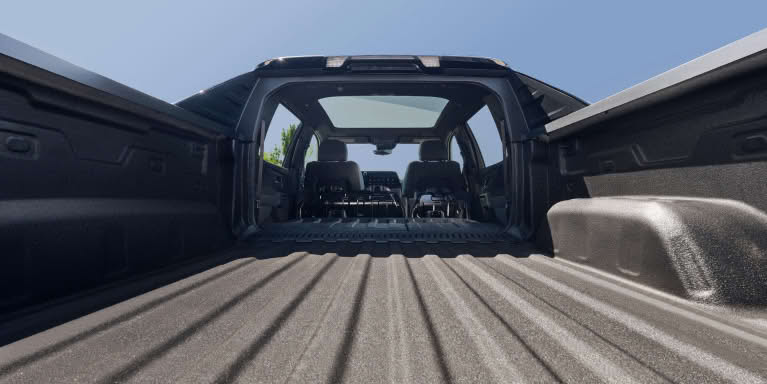
Chevrolet’s 2027 Silverado EV information describes its Multi-Flex Midgate cargo arrangement. Rivian’s R1T comparison information identifies a Gear Tunnel. These features solve different storage tasks; one is not simply a larger version of the other.
For long materials, demonstrate the Silverado EV’s permitted loading configuration and check which passenger positions remain usable. For smaller equipment, inspect how the R1T storage compartment opens, what shape fits and how easily you can retrieve items. In both trucks, measure the real load, respect the relevant limits and follow the manufacturer’s securing instructions.
On a smaller screen, scroll across the table to compare all columns.
| Your load | What to compare |
|---|---|
| Long materials | Usable load path, permitted seat arrangement and secure attachment. |
| Outdoor equipment | Storage shape, access and separation from passenger space. |
| Work tools | Security, reach, weather protection and weight limits. |
| People and luggage together | Available storage with all required seats occupied. |
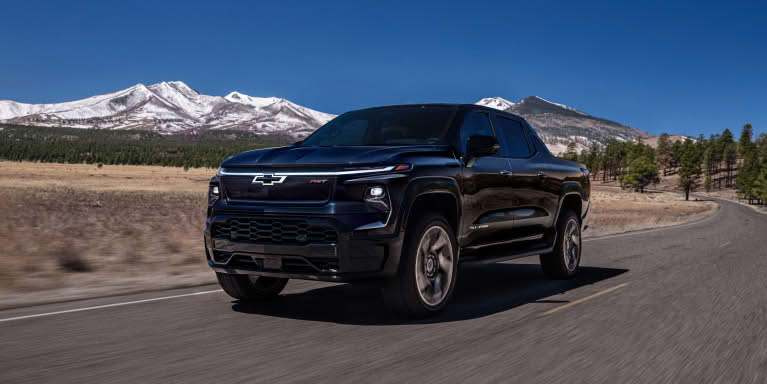
R1T and Silverado EV listings can describe different battery, motor and wheel combinations. Write those details beside the price and range information. Identify whether a figure is EPA-rated or manufacturer-estimated, and do not use the longest-range version’s number for a differently equipped truck.
Compare a representative week rather than your shortest errand. Include highway travel, colder weather, passengers and the equipment you normally carry. For a used example, ask for relevant inspection information, warranty-start details and available service history. The remaining miles displayed after charging are useful operational information, but they do not by themselves establish battery condition.
Before buying, identify where the truck will charge overnight and have a qualified electrical professional assess the proposed installation. Confirm the vehicle’s connector, compatible charging equipment and any approved adapter requirements. Include the equipment and installation cost in the purchase plan.
For a longer trip, check compatible stations along your route and alternatives if a stop is unavailable. A peak charging-power figure is not an entire charging session: vehicle limits, battery temperature, starting state of charge and station conditions matter. If towing, examine whether the site layout accommodates the trailer and whether you would need a safe place to disconnect it.
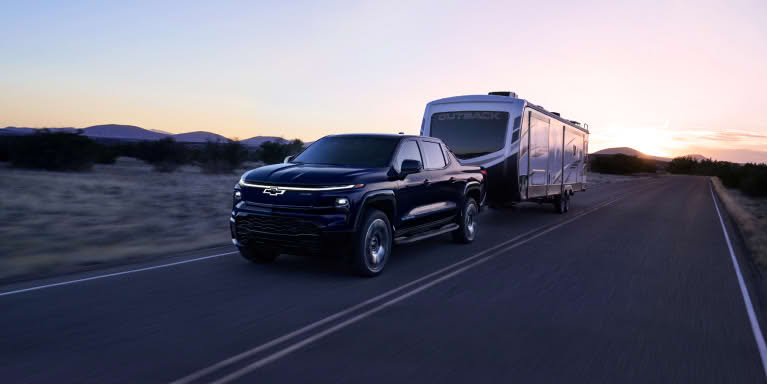
Request the truck’s payload and trailering information, then account for occupants, equipment and trailer tongue load. Compare loaded trailer weight, hitch limits and the other applicable vehicle ratings. An available maximum for one configuration does not describe every R1T or Silverado EV.
Drive the selected configuration on an appropriate route. Assess seating comfort, visibility, steering and ordinary braking. Try suspension or drive-mode controls only as instructed and where suitable. Ask which cameras and driver-assistance features are installed, how they work and what attention they require. Equipment can support a task without changing the vehicle’s loading limits.
Discuss where routine service and repairs would be performed, what scheduled maintenance applies and how roadside support works for the vehicle you are considering. Review tires, accessory costs, insurance estimates and any connected-service subscription you plan to use.
Compare itemized vehicle offers with consistent trade and financing assumptions. Separate optional products, accessories and charging costs rather than hiding them inside a payment. Our EV research hub offers a starting point for Chevrolet ownership questions, and Silverado EV versus Cybertruck examines a different electric-truck pair. Ask our finance team about the purchase process for your Chevrolet choice.
No. They address different cargo arrangements. Inspect the specific feature on each truck and test the shape of what you need to carry rather than comparing names alone.
Only if you identify the exact configurations behind each number. Do not imply that a truck with the longest-range specification automatically has the range’s highest towing rating.
Verify the loaded vehicle/trailer limits and plan compatible charging stops with practical trailer access. Energy use and charging conditions can change the trip, so build alternatives into the plan.
Send the listing, the R1T configuration, your expected cargo, towing needs and charging situation. Our team can explain the Chevrolet equipment and help prepare a focused inspection.
Tell us which cargo and charging questions matter most and share the Silverado EV listing you want to inspect. We can help review the Chevrolet equipment in Granite City and discuss an itemized purchase quote. Confirm the vehicle and appointment before travelling.