ACCESSIBLE VEHICLE PLANNING
Choosing an accessible vehicle begins with how the driver and passengers enter, travel and exit. Seating, mobility equipment, cargo and parking space all matter. A photograph of an adapted vehicle is a useful reference, but it cannot establish that the same configuration fits another person’s needs.
Weber Chevrolet Granite City can help with the Chevrolet vehicle-shopping part of the conversation. Tell us which model you are considering and what you want to evaluate during a visit. Adaptive-equipment recommendations, conversion compatibility and installation should be confirmed with the appropriate qualified specialists before purchasing.
Write down who will drive, who will ride, whether a transfer to a vehicle seat is planned and what equipment must travel on each trip. Include another passenger’s seating needs, groceries, a walker or other items that share the cargo area. This turns a broad vehicle search into a practical appointment.
Consider the places where the vehicle will actually be used. Home parking, a workplace space and a regular pickup location can present different room for a door, ramp or lift. Bring useful measurements and questions so the vehicle review considers the whole trip, not only the seat inside the showroom.
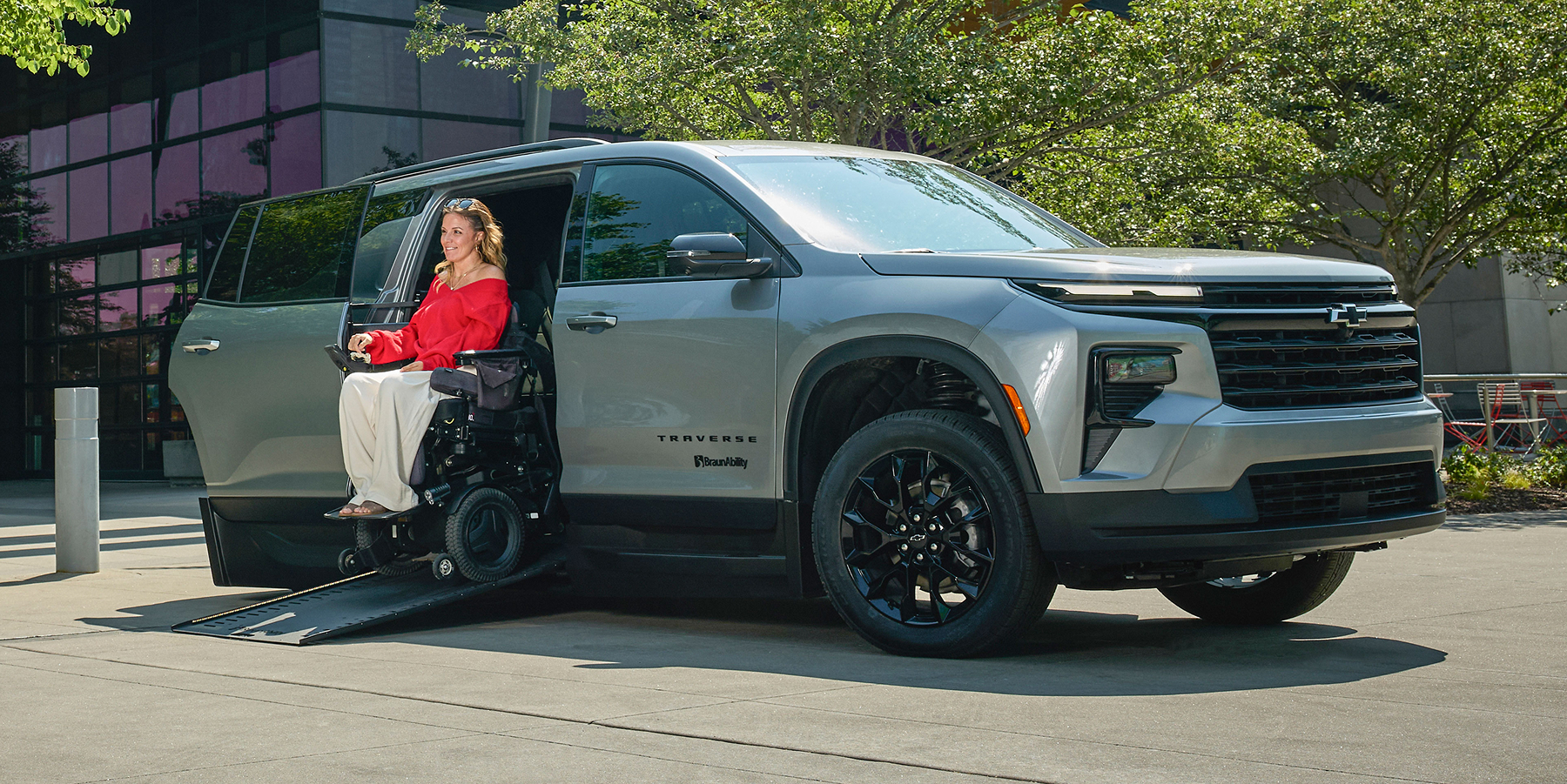
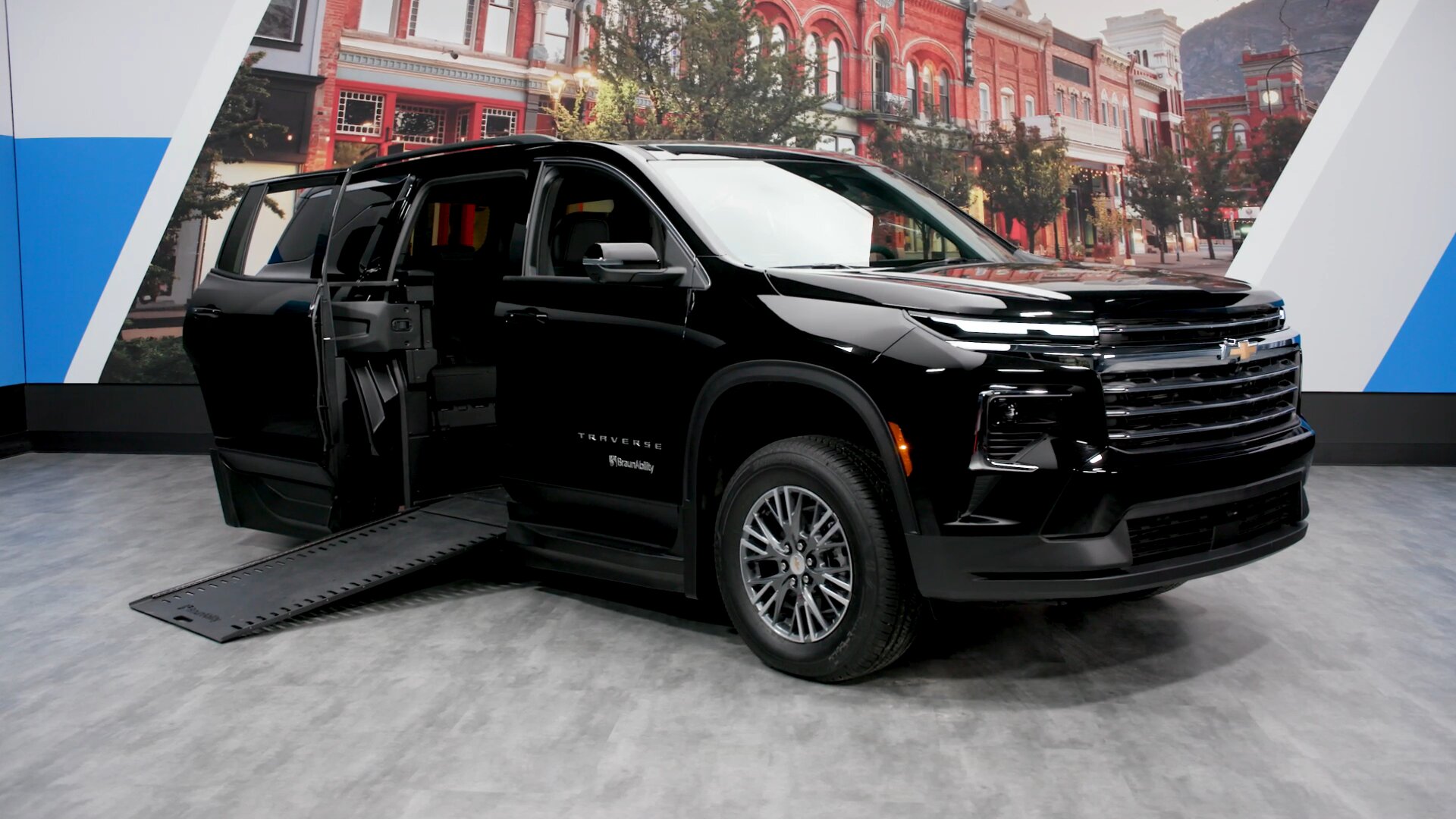
NHTSA recommends consulting qualified driver-rehabilitation and mobility-equipment professionals before buying a vehicle that needs adaptations. Its adapted-vehicle guidance explains the role of evaluation, appropriate equipment and training. The vehicle purchase and the equipment assessment should inform each other.
Ask the equipment provider to confirm the exact model year, configuration, installation requirements and effect on usable space. A conversion shown for one version of a model should not be assumed to fit every trim or year. Request a written equipment proposal and identify who will provide ongoing support.
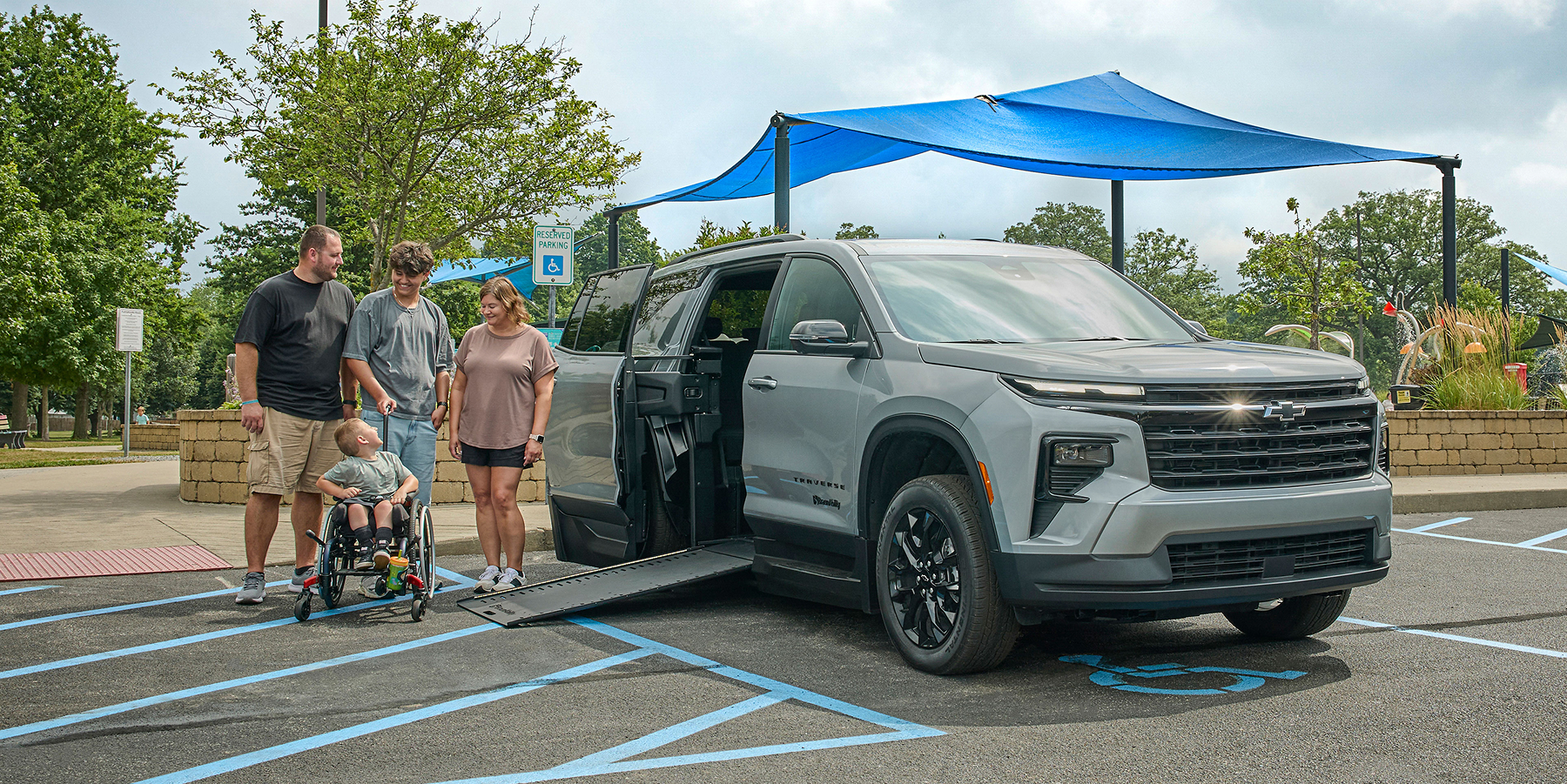
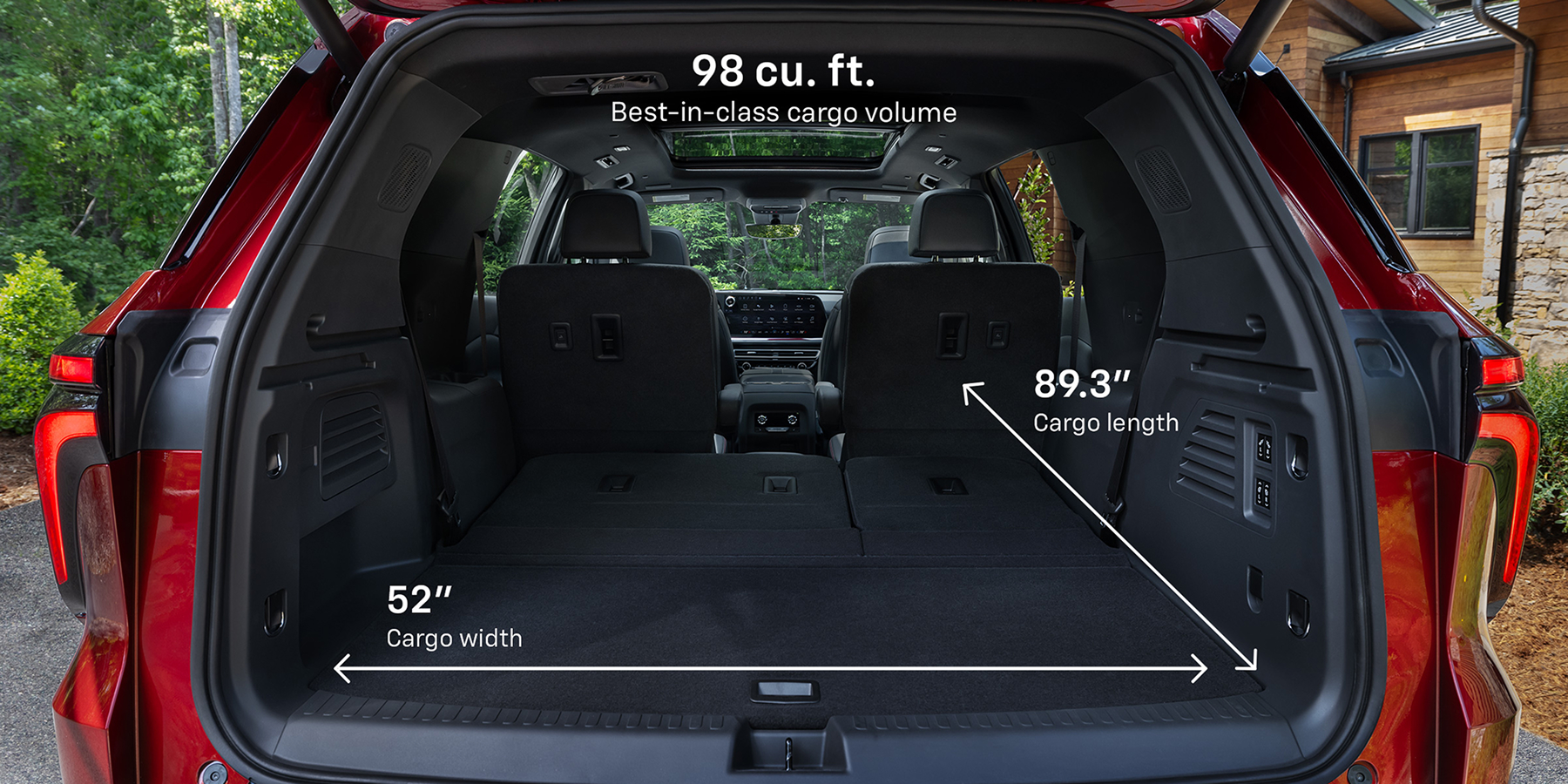
On a smaller screen, scroll across the table to compare all columns.
| Area to review | What to evaluate |
|---|---|
| Entry and exit | Door opening, approach space, seat position and the planned transfer or access method. |
| Travel position | Comfort, visibility, reach and the professionally recommended seating or securement arrangement. |
| Equipment and cargo | The space required by mobility equipment and everyday items together. |
| Parking | Room needed beside or behind the vehicle at regular destinations. |
| Support | Separate contacts for the Chevrolet vehicle and any independently supplied conversion. |
Confirm in advance which vehicle or demonstration arrangement is available. The dealership’s general inventory does not establish that a completed accessible conversion is in stock.
Chevrolet publishes an accessibility program with reimbursement information for eligible adaptive equipment and specific application requirements. Review the current Chevrolet accessibility page and application before relying on an incentive. Vehicle eligibility, equipment, timing and documentation can affect the outcome.
Keep the vehicle transaction and equipment invoices organized. Ask which party submits the application and what must be completed before the deadline. A potential reimbursement is not a guarantee that every proposed modification or vehicle purchase qualifies.
Independent adaptive equipment and alterations have their own supplier and installer responsibilities. Ask for the equipment warranty, installation documentation, maintenance instructions and service contact. Review the Chevrolet vehicle warranty separately rather than assuming one document covers the complete conversion.
If the vehicle will need service, identify how the service team should account for installed equipment and who handles equipment-specific work. Keep the provider’s records with the vehicle information. The goal is a clear support plan that remains useful after delivery.

Share the model or VIN, the tasks you want to evaluate and any appointment accommodations that would help. You can describe practical vehicle needs without putting private medical records in a general inquiry. Ask for the appropriate contact before sending specialist documents.
For shoppers from St. Louis and the Metro East, confirm the vehicle and meeting details before traveling. Start with Traverse inventory if that model is part of the discussion, or use the full Chevrolet inventory to identify another vehicle for professional compatibility review.
No. A standard vehicle and an adapted conversion are different configurations. Confirm compatibility, equipment and availability with the appropriate qualified providers.
Coordinate both decisions. A qualified evaluation and equipment proposal can help establish which exact vehicle configuration is suitable before purchase.
Review the vehicle warranty and the supplier or installer documents separately. Independently supplied equipment and alterations have their own responsibilities and terms.
Ask for the current program application and eligibility review. The specific vehicle, equipment, timing and documentation determine whether a request qualifies.
Contact Weber Chevrolet Granite City with the model you are considering and the practical questions you want to answer. Coordinate the vehicle review with your qualified mobility-equipment professionals before committing to a configuration.