COMPARE YOUR OPTIONS · GRANITE CITY
Silverado EV and F-150 Lightning remain useful vehicles to compare when you are shopping specific electric pickups, but the model-year and availability context now matters. Identify the exact battery-electric Lightning you are considering rather than treating future Ford product announcements as specifications for an existing truck.
Explore Silverado EV inventory at Weber Chevrolet Granite City. This guide compares an available Chevrolet configuration with an existing battery-electric Lightning by its own year, equipment and condition. It does not promise new Lightning factory orders or apply future powertrain plans to a used vehicle.
Ford’s current F-150 Lightning information states that the current form is no longer available to order and discusses a future extended-range electric direction. Ford does not give a specific availability date there. An existing battery-electric Lightning listing should be evaluated as the vehicle it is, with its own battery, equipment and history.
Ask whether a particular truck is used or remaining dealer inventory, and verify that status with its seller. For Silverado EV, confirm the listed vehicle’s model year and availability with our team. This prevents a comparison between a real truck you can inspect and a future configuration that has not been offered to you.
On a smaller screen, scroll across the table to compare all columns.
| Vehicle | What controls the comparison |
|---|---|
| Listed Silverado EV | Model year, battery, trim, wheels and actual available equipment. |
| Existing battery-electric Lightning | VIN, model year, battery specification, condition and warranty history. |
| Future Ford product | Published plans only; not a specification or delivery promise for today’s vehicle. |
| A quote from either seller | Actual inventory status and an itemized purchase offer. |
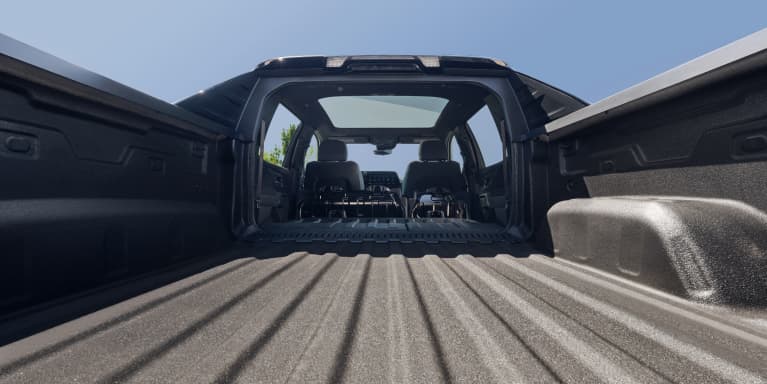
Chevrolet’s 2027 Silverado EV information describes the Multi-Flex Midgate cargo arrangement. On a Lightning, inspect the actual bed, enclosed storage, outlets and accessories fitted to the specific truck. Do not assume a feature shown in a review is present on a used listing.
Measure the tools, bags or long materials you regularly carry. Check access with passengers in their required seats and with any bed cover or rack in place. Confirm load limits, tie-down requirements and the permitted use of electrical outlets in the vehicle’s manual. Accessory power capability is a separate question from using a vehicle to support a home installation.
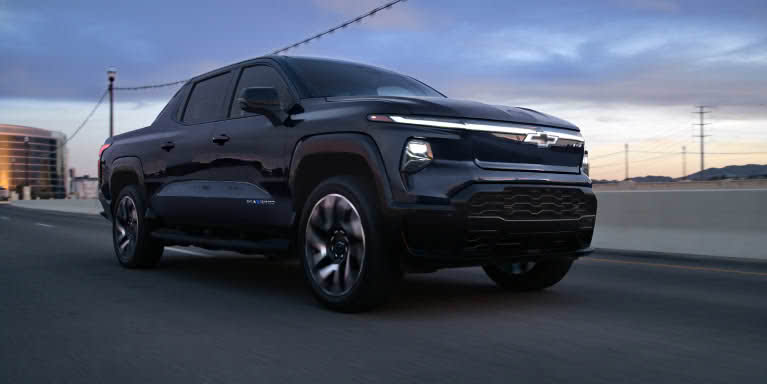
Record the correct range figure for each battery and wheel configuration and identify its rating basis. A vehicle’s longest advertised range is not a guaranteed distance for your route, especially with changing weather, highway speeds or a trailer. For a used Lightning, request available inspection information and warranty-start details rather than judging battery condition from one displayed range estimate.
Verify the connector and any approved adapter for your intended stations. Compare the charging session needed for the trip, not only peak power. A statement that one truck charges twice as fast cannot be established simply by comparing charger kilowatt labels. Battery conditions, starting charge level, vehicle limits and the station affect the result.
Use the truck’s specific payload and trailer ratings. Include passengers, equipment and tongue load, and check the other applicable vehicle, hitch and combined-weight limits. A trailer camera or assistance feature does not increase those limits. Plan charging stops that are compatible and practical with the trailer attached or with a safe disconnect arrangement.
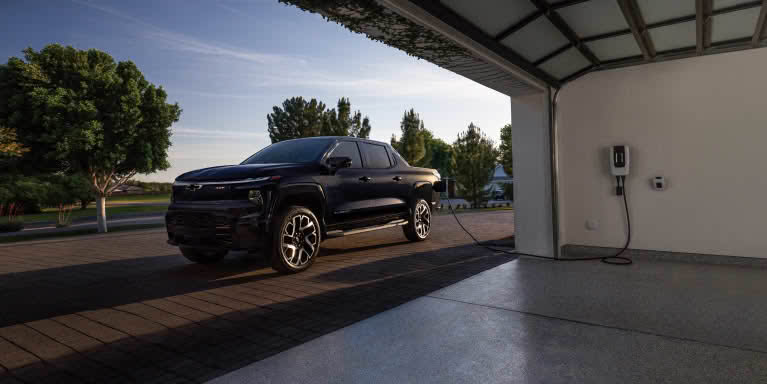
At home, have a qualified electrical professional assess the proposed charging equipment and circuit. Include installation and any required upgrades in your budget. For backup-power interests, ask separately about the vehicle, hardware, installation and service requirements; ordinary charging equipment alone does not establish a home backup system.
Review maintenance history, damage disclosures, tires, charging equipment included in the sale and the remaining applicable warranty by VIN. Ford’s current page provides ongoing owner-support information; confirm the terms for the particular Lightning rather than assuming a new-vehicle warranty restarts with resale.
Compare insurance, required fees, optional products, accessories and charging costs alongside selling price. Keep financing and trade assumptions visible. The used electric-vehicle inventory is a separate route if an earlier EV fits your budget, while the EV research hub supports Chevrolet ownership planning. Contact our finance center for the Chevrolet purchase process.
No. Ford’s current information says that form is no longer available to order. Verify any specific seller’s remaining or used inventory separately.
No. Evaluate an existing battery-electric Lightning by its VIN, model year, battery and installed equipment. Future extended-range plans are a separate product discussion.
Not by itself. Compare a defined charging session under relevant conditions. Peak power is only one factor in the time needed to add the energy for your trip.
Send both listings, the Lightning model year and battery, your daily mileage, towing needs and charging situation. We can explain the Chevrolet configuration and help you plan a useful inspection.
Share the Silverado EV listing and the exact battery-electric Lightning you are considering. Our Granite City team can help you inspect Chevrolet cargo features, review equipment and discuss the purchase process with your charging and towing needs in mind. Confirm availability before your visit.