EV OWNERSHIP · HOME ENERGY
The right home-charging plan starts with your EV, where it parks and how it is used. Daily mileage, access to power and the time the vehicle spends at home matter more than choosing the largest charger rating. Home backup power is another decision with additional vehicle, equipment and installation requirements.
Weber Chevrolet Granite City can help with the vehicle side of this planning. Use this guide to prepare questions, then confirm the site and equipment with qualified installation professionals and GM Energy. If you are comparing models, begin with electric Chevrolet inventory and the exact vehicle’s charging information.

Estimate a normal day’s driving, the longest recurring trip and how many hours the vehicle usually stays parked at home. Note whether a second EV may share the charging location. This gives an installer and vehicle advisor a useful starting point for a realistic plan.
Think about parking access, weather exposure and the path between the charger and vehicle inlet. Ask how the equipment location will work with the actual vehicle, garage door and walking routes. Avoid buying equipment solely from a product picture before its placement and compatibility are reviewed.
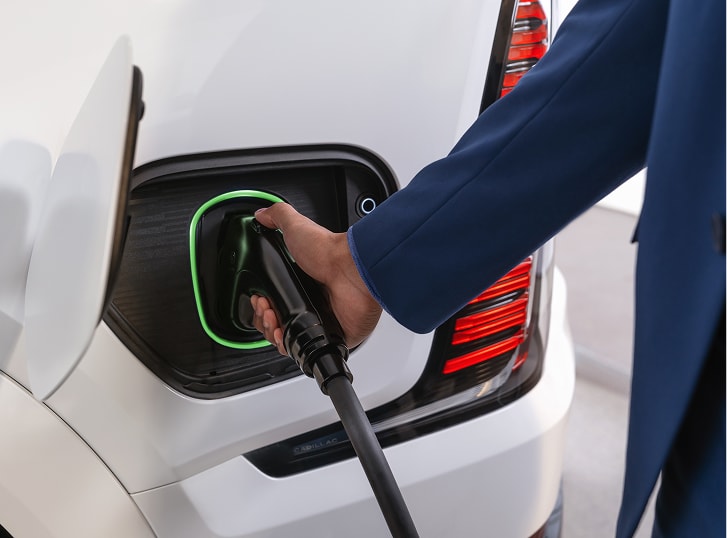
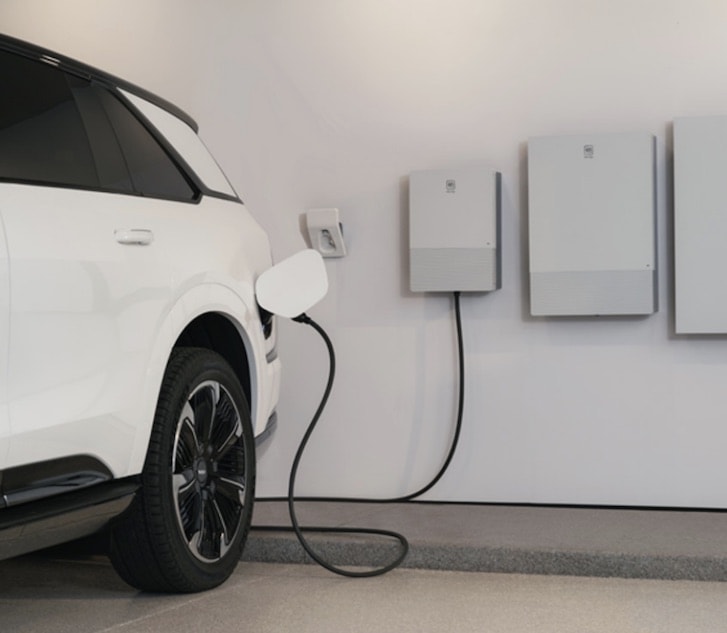
A home charger replenishes the vehicle. A vehicle-to-home system adds the ability to supply a properly equipped home from an eligible EV under specified conditions. GM Energy describes a compatible PowerShift Charger and V2H Enablement Kit as part of that system; vehicle capability and professional installation must also be confirmed.
On a smaller screen, scroll across the table to compare all columns.
| Goal | Questions to resolve |
|---|---|
| Routine home charging | Vehicle inlet, charging capability, parking location, electrical assessment and installed cost. |
| Home backup power | Eligible EV, compatible system, supported home loads, installation requirements and operation during an outage. |
| Future expansion | A second vehicle, possible storage or solar plans and equipment compatibility. |
Use GM Energy’s current FAQ for system requirements and a professional review. A charger purchase alone does not establish backup-power capability.
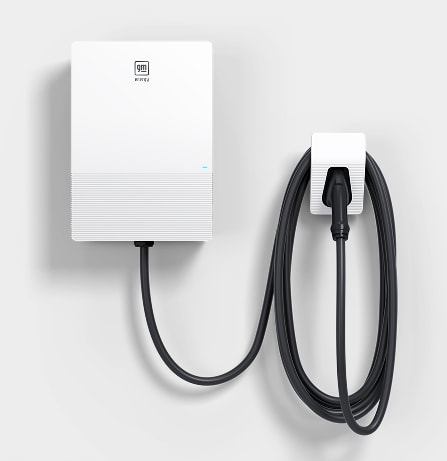
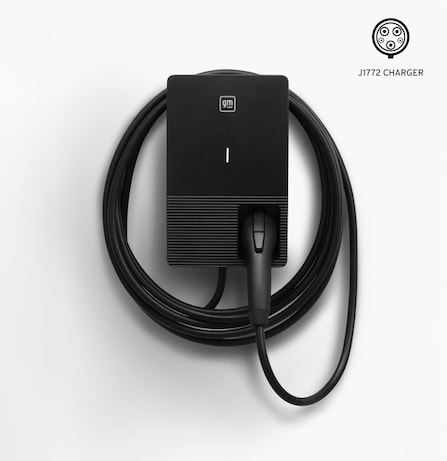
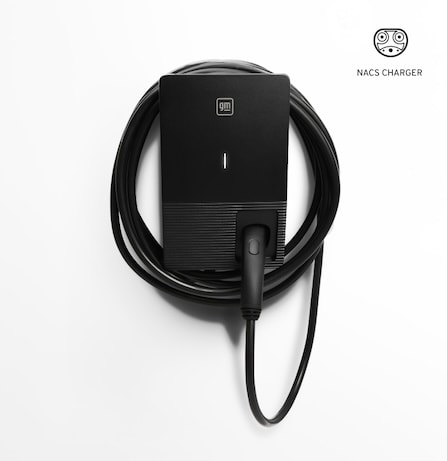
The complete project can involve equipment, electrical work, permitting and site-specific requirements. Ask the installer for a written scope showing what is included, what assumptions were made and what could change after inspection. An advertised equipment price is not the same as a completed installation quote.
For a rented property, shared garage or managed parking area, establish permission and responsibility early. Confirm who can approve the work, who owns the installed equipment and what happens if you move. Those practical questions can determine whether home charging is feasible before product selection begins.

List the home functions you want to support and the way an outage would affect the household. A qualified system review can then address the equipment and load plan. Do not treat a general marketing example as a guaranteed number of days of power for your home.
Vehicle battery state, home demand, weather and system conditions can affect operation. Ask how vehicle availability fits the plan: an EV away from home cannot serve the same role as one connected to a compatible installed system. Review the owner instructions and operating limits with the provider.

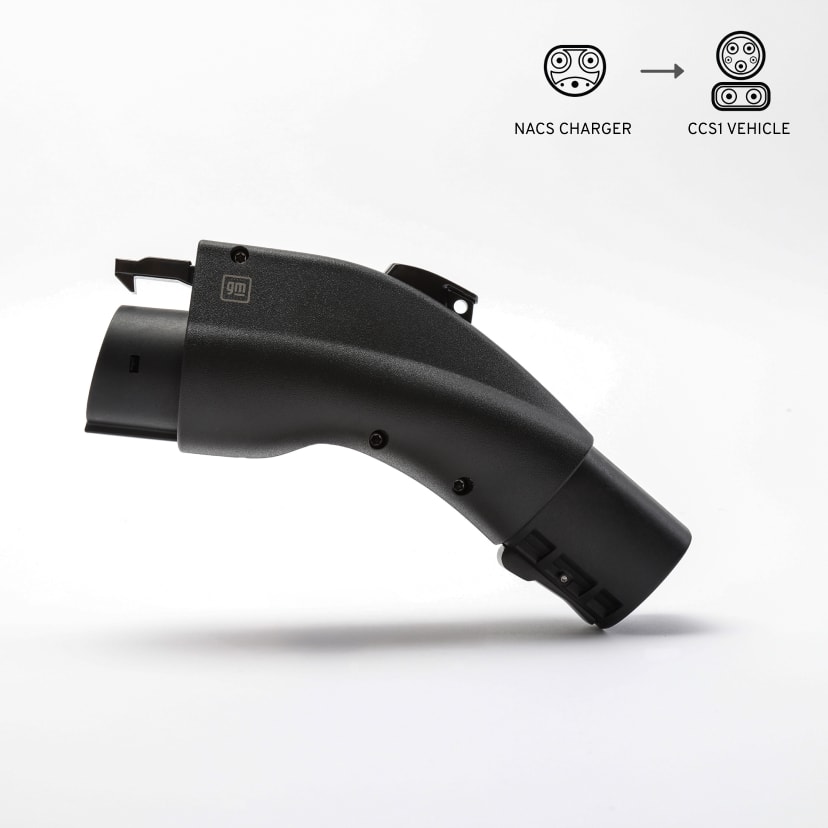

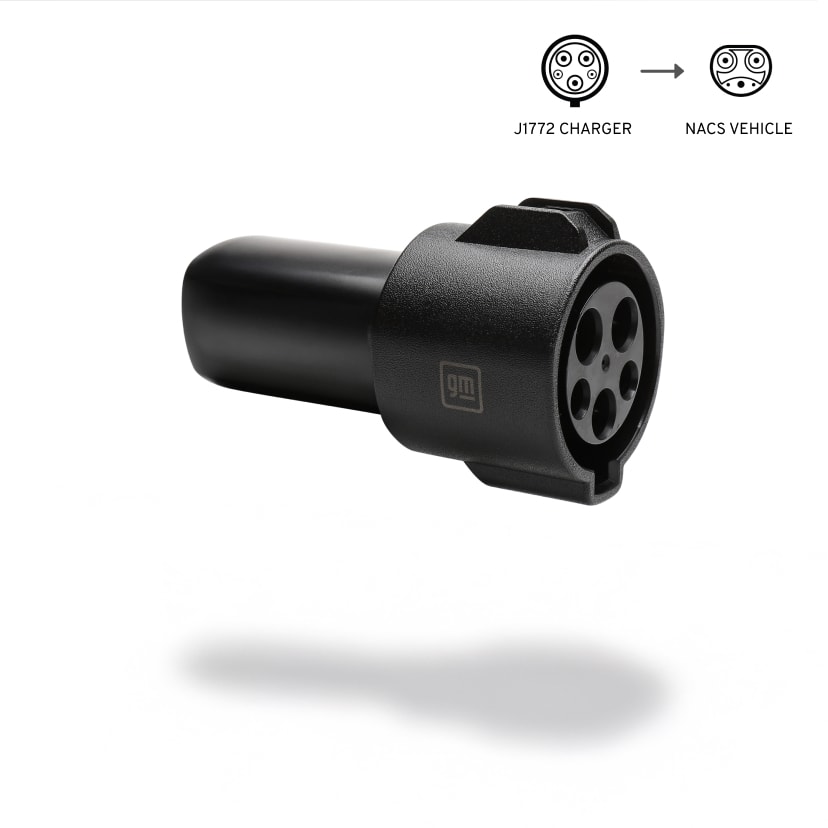

Vehicle inlet type, AC home charging, DC fast charging and bidirectional operation are related but different compatibility questions. An adapter that physically connects two pieces of equipment is not automatically approved for every use. Confirm the exact part and intended function.
Our GM Energy accessories guide focuses on that fitment conversation. Bring the EV’s year, VIN and the charger or adapter model you are considering. Keep the manufacturer’s product instructions with the installation records.
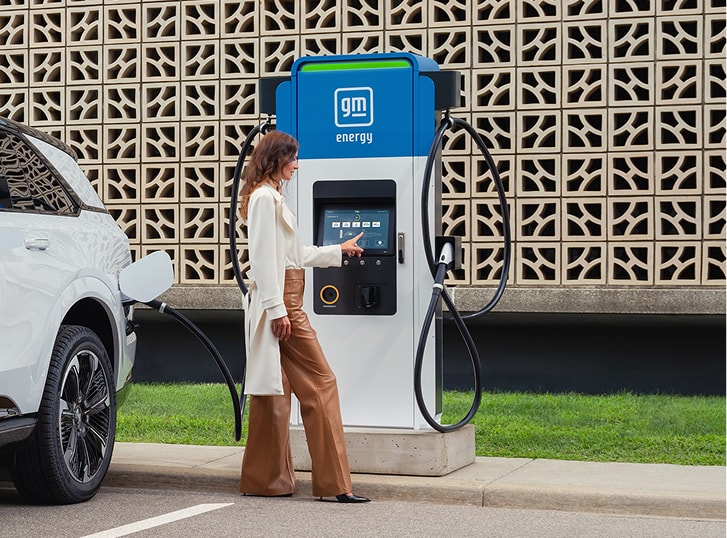
Identify the routes where you may use public charging and review compatible locations before a longer trip. Consider a backup location and how charging fits meal or rest stops. Availability, equipment condition and actual charging performance can vary.
During a vehicle visit, ask to see the relevant charging menus and supported route-planning tools while parked. The connected-services guide can help you prepare app and account questions. Use the vehicle manual for the charging procedure and limits for the exact model.
No. Verify the exact vehicle’s capability, software and compatible system requirements with GM Energy and the vehicle documentation.
Not necessarily. Ask for a written project scope covering equipment, installation, permitting and any required electrical work.
Do not assume so. Confirm the vehicle inlet, charger connector, AC or DC function and the specific approved use of the part.
The vehicle discussion and the professional site assessment are separate. Use qualified installation professionals for the home electrical and equipment review.
Share the Chevrolet EV you are considering and the daily charging routine you need. Weber Chevrolet Granite City can help you identify the vehicle questions to resolve before the equipment and installation review.