PICKUP COMPARISON CENTER
Are you deciding between full-size pickup brands, or between a Silverado 1500 and a heavier-duty Chevrolet? Those are different decisions. This comparison center points you toward the right guide before you review new Silverado 1500 inventory or used Silverado 1500 trucks.
Begin with the truck’s job: passengers, bed cargo, trailer and everyday driving. Then compare the same model year and similarly equipped configurations. A headline maximum or a premium-trim feature is useful only after you establish which truck actually has it.
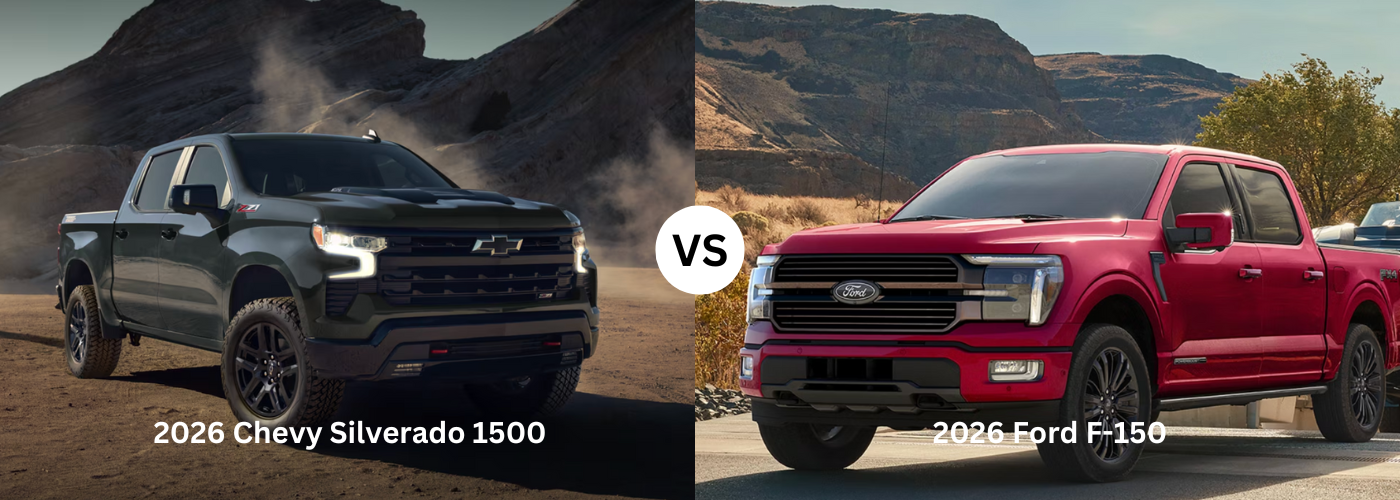
The 2026 Silverado 1500 versus Ford F-150 guide helps you organize an engine, cab and capability comparison. Use it to identify the configurations worth pricing, then compare the equipment on specific listings. A broad model-to-model comparison should lead to a shortlist, not replace a vehicle-specific review.
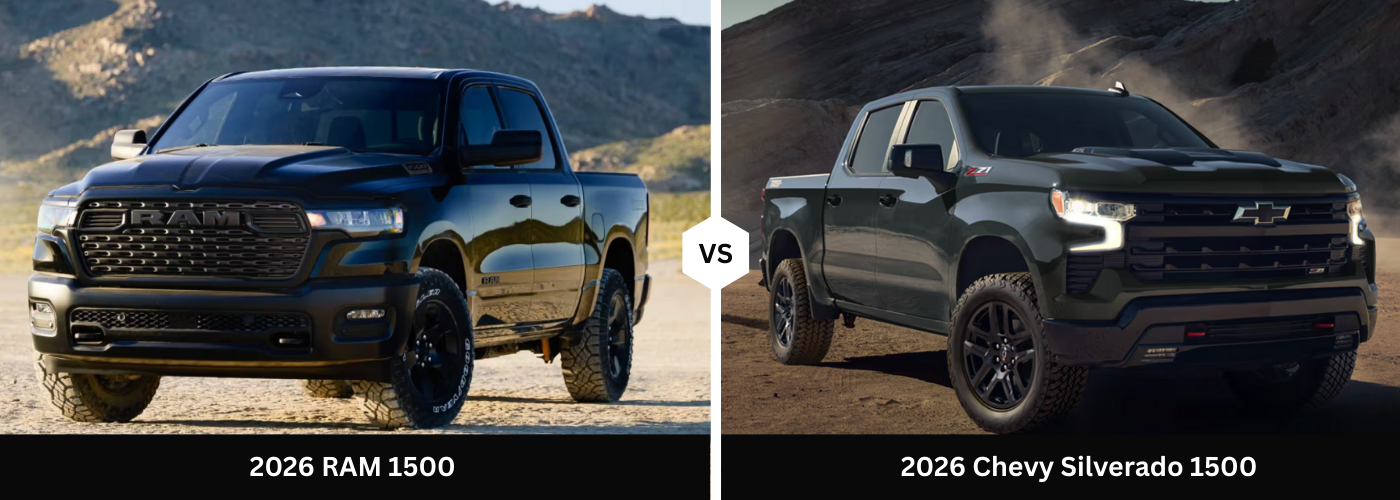
The 2026 Silverado 1500 versus Ram 1500 guide addresses the other common full-size pickup decision. Keep engine availability and towing data tied to 2026; do not assume the lineup from a prior year carries forward unchanged.
For either comparison, write down the cab, bed, drive system and key packages on both trucks. Compare the written out-the-door figures and any financing terms separately. That helps you understand whether a price difference comes from equipment, condition, fees or the structure of the purchase.
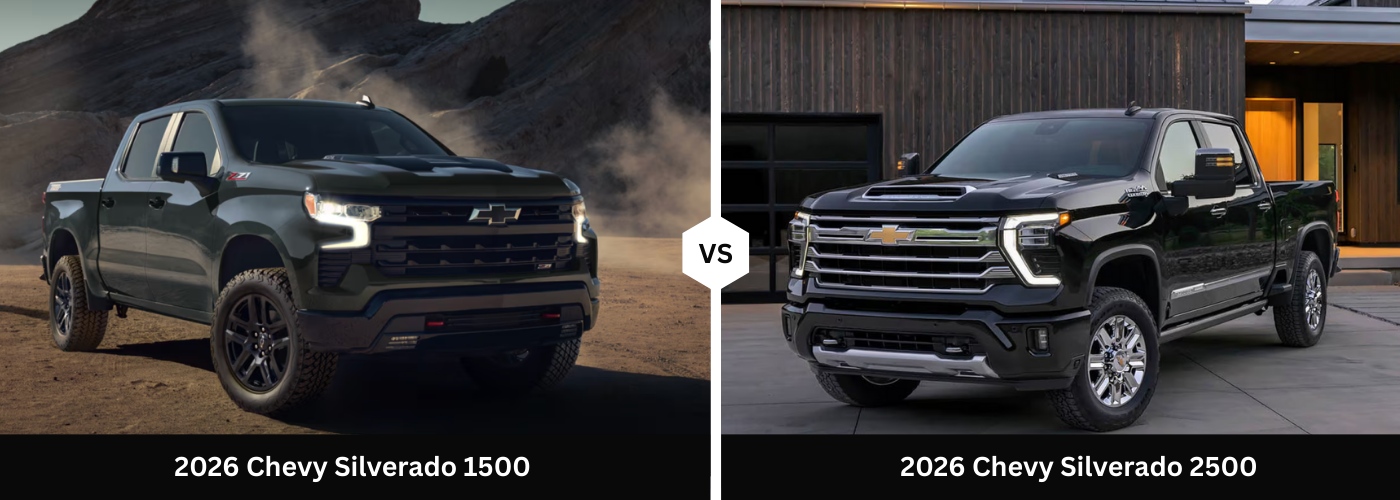
Use the 2026 Silverado 1500 versus Silverado 2500 comparison if your question is duty class. If you are shopping an earlier truck, use the 2025 Silverado 1500 versus 2500 guide and confirm the listing’s model year.
Bring the expected loaded trailer weight, trailer type, passenger count and bed cargo to the discussion. The choice cannot be reduced to “occasional towing means 1500” or “a diesel means HD.” The actual truck ratings, tongue or pin weight and daily load need to fit together.
After narrowing the class, compare new Silverado 2500 inventory or used Silverado 2500HD trucks with the 1500 candidates. Check maneuverability, parking and access to the cab as well as the load requirements.

On a smaller screen, scroll across the table to compare all columns.
| Decision | Information to collect |
|---|---|
| Passenger use | Cab style, actual seating layout and rear-seat fit with the front seats adjusted. |
| Bed use | Bed length, cargo dimensions and any rack, cover or toolbox that reduces usable space. |
| Trailering | Loaded trailer and hitch weight, exact vehicle ratings, packages and required equipment. |
| Daily driving | Parking fit, entry height, visibility and the controls used on an ordinary trip. |
| Purchase terms | Specific vehicle, complete price, trade details and separately stated financing terms. |
Save the listing links or stock numbers beside these details. If two listings describe equipment differently, ask for confirmation rather than assuming the shorter description means a feature is missing.
Use the 2026 Silverado trim guide to organize equipment choices and the 2026 interior guide to plan a cab inspection. The Silverado bed-size guide addresses cargo-box questions separately from passenger-room questions.
For a trailer decision, continue to the 2026 Silverado towing guide. For the ownership tradeoff between fuel types, use the Silverado gas versus diesel guide. Neither a trim badge nor an engine name alone settles the truck’s complete load capacity.
Keep the model year visible in your notes. A redesigned model may change the engine lineup, dimensions or equipment, while a used truck may have options that differ from the standard configuration shown in a research article.
Send the team two or three specific trucks and explain the difference you want to evaluate. Ask whether they are available to see, whether the relevant equipment is installed and what documents or vehicle information would help answer a trailering question.
In person, adjust the driver’s seat first and then check rear-seat room. Try the steps and grab handles, inspect the bed opening and review the camera or trailer controls on the actual truck. A vehicle that wins a single specification comparison can still be inconvenient for your everyday use.
For used trucks, add condition and history to the comparison. Ask about any modifications and whether the available records support the equipment being advertised. Compare the vehicles you can actually buy rather than treating every example of a model as identical.
Choose a light-duty rival guide if you are comparing brands in the same pickup class. Choose the Silverado 1500 versus 2500 guide if your main question is whether the job calls for a heavier-duty truck.
No. Confirm the rating of the exact configuration and the combined effect of passengers, cargo and trailer hitch weight. Then consider the daily driving and parking needs.
Yes, but keep model year, condition, equipment, coverage and complete price visible. A current model guide should not supply specifications for an older used vehicle.
Tell the Granite City team what you carry, what you tow and which trucks are on your shortlist. Ask for help confirming equipment and arranging a focused comparison.